The Expansive World of Technology: Trends, Innovations, and Ethical Implications
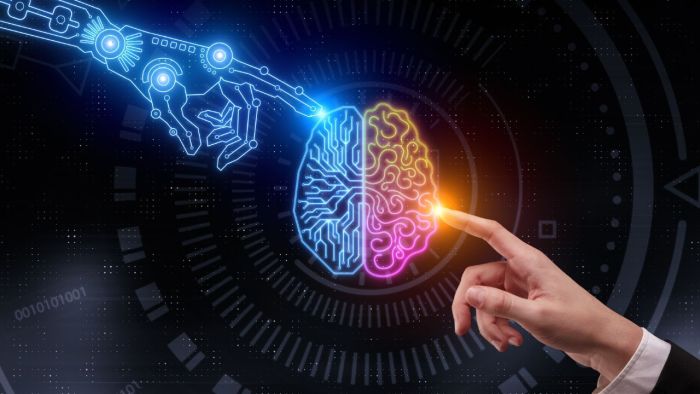
Overview: AI and machine learning are at the forefront of technological innovation. AI refers to systems or machines that mimic human intelligence to perform tasks and can iteratively improve themselves based on the information they collect. Machine learning, a subset of AI, involves algorithms that allow computers to learn from data and make decisions without being explicitly programmed.
Applications:
- Healthcare: AI is revolutionizing healthcare by enabling more accurate diagnostics, personalized medicine, and advanced treatment planning. For example, AI algorithms can analyze medical images to detect diseases like cancer at earlier stages than human doctors can.
- Finance: AI-driven algorithms are being used for fraud detection, personalized banking, and high-frequency trading. They analyze vast amounts of data to predict market trends and manage risks more efficiently.
- Customer Service: Chatbots and virtual assistants like Siri and Alexa utilize AI to provide customer support, manage schedules, and even control smart homes.
Challenges:
- Ethical Concerns: As AI systems become more autonomous, concerns about their decision-making processes arise. For example, who is responsible if an AI makes a harmful decision? Bias in AI algorithms is another significant issue, as these systems often reflect the prejudices present in their training data.
- Job Displacement: While AI creates new job opportunities, it also poses a threat to many existing jobs, particularly in industries like manufacturing, transportation, and even white-collar jobs like accounting and legal services.
2. The Internet of Things (IoT)
Overview: The Internet of Things refers to the interconnectedness of everyday devices, from refrigerators to thermostats, that can communicate with each other and the internet. These devices collect and exchange data, often with the goal of improving efficiency, convenience, and safety.
Applications:
- Smart Homes: IoT devices such as smart thermostats, lighting systems, and security cameras allow homeowners to control various aspects of their homes remotely, creating more energy-efficient and secure living environments.
- Healthcare: Wearable devices like smartwatches and fitness trackers monitor users' health metrics, providing valuable data for personal health management and medical professionals.
- Industrial IoT: In manufacturing, IoT devices are used to monitor machinery, predict failures, and optimize production processes, leading to significant cost savings and increased productivity.
Challenges:
- Security Risks: The interconnected nature of IoT devices makes them vulnerable to cyberattacks. A single compromised device can potentially provide access to an entire network, posing significant security risks.
- Data Privacy: IoT devices generate vast amounts of data, often including sensitive personal information. Ensuring this data is securely stored and used ethically is a significant challenge.
3. Blockchain Technology
Overview: Blockchain is a decentralized digital ledger technology that records transactions across multiple computers so that the record cannot be altered retroactively. It’s the underlying technology behind cryptocurrencies like Bitcoin, but its applications extend far beyond digital currency.
Applications:
- Cryptocurrencies: Bitcoin, Ethereum, and other cryptocurrencies use blockchain to enable secure, transparent, and decentralized financial transactions.
- Supply Chain Management: Blockchain can track the movement of goods in supply chains, providing transparency and reducing fraud. Companies like Walmart are using blockchain to track food products from farm to table, ensuring quality and safety.
- Smart Contracts: These are self-executing contracts with the terms of the agreement directly written into code. They automatically execute actions when predefined conditions are met, reducing the need for intermediaries in transactions.
Challenges:
- Scalability: Blockchain networks can be slow and require significant computational power, making them less efficient for high-volume transactions.
- Regulation: The decentralized nature of blockchain poses challenges for regulation, particularly in the financial sector. Governments are still grappling with how to effectively regulate cryptocurrencies and other blockchain applications without stifling innovation.
4. Quantum Computing
Overview: Quantum computing leverages the principles of quantum mechanics to process information in fundamentally different ways compared to classical computers. While still in its early stages, quantum computing has the potential to solve complex problems that are currently intractable for even the most powerful classical computers.
Applications:
- Cryptography: Quantum computers could break current cryptographic codes, but they could also create new, more secure forms of encryption.
- Drug Discovery: Quantum computing could revolutionize drug discovery by simulating molecular structures much more efficiently, potentially leading to new medications and treatments for diseases.
- Optimization Problems: Quantum computers are expected to excel at solving complex optimization problems, such as those found in logistics, materials science, and artificial intelligence.
Challenges:
- Technical Hurdles: Building stable and scalable quantum computers is an enormous technical challenge. Quantum bits (qubits) are extremely sensitive to their environment, and maintaining their state long enough to perform calculations is difficult.
- Ethical and Security Concerns: The potential power of quantum computing raises ethical questions, particularly in the realm of cryptography and data security. The ability to crack current encryption methods could render much of the world's data vulnerable.
5. Ethical and Societal Implications of Technology
Overview: As technology continues to advance at a rapid pace, it brings with it a host of ethical and societal challenges. From privacy concerns to the digital divide, the impact of technology on society is profound and multifaceted.
Key Issues:
- Privacy: The collection and use of personal data by tech companies have sparked widespread concerns about privacy. Technologies like AI and IoT generate vast amounts of data, often without users fully understanding what is being collected or how it will be used.
- Digital Divide: While technology has the potential to connect and empower people, it can also exacerbate existing inequalities. Access to the internet, digital literacy, and technological infrastructure remain unevenly distributed, both within and between countries.
- Job Displacement and the Future of Work: Automation and AI are changing the nature of work, leading to fears of job displacement in various industries. Preparing the workforce for this shift, through education and training, is a critical challenge.
- Ethical AI: The development and deployment of AI systems raise significant ethical questions. Issues like bias in AI, accountability in decision-making, and the potential for AI to be used in harmful ways (e.g., autonomous weapons) require careful consideration and regulation.
The field of technology is both exciting and daunting. While innovations in AI, IoT, blockchain, and quantum computing promise to transform industries and improve lives, they also present significant challenges and ethical dilemmas. As we continue to push the boundaries of what is possible, it is crucial to address these challenges thoughtfully and responsibly, ensuring that technology serves the greater good and does not exacerbate existing societal issues.
As technology evolves, so too must our approaches to managing its impact on society. This requires a collaborative effort between governments, industry, and civil society to create frameworks that promote innovation while protecting individual rights and addressing societal concerns.




Give your Rating
Categories
Most Viewed
-
 How Social Media Shapes Your Subconscious
Dec 2 '2024, 2:22 PM
How Social Media Shapes Your Subconscious
Dec 2 '2024, 2:22 PM
-
 Why Did I Fail My Interview? (And What to Do Next)
Sep 13 '2024, 1:04 AM
Why Did I Fail My Interview? (And What to Do Next)
Sep 13 '2024, 1:04 AM
-
 The Influence of Social Media on the Indian Job Market: Opportunities and...
Sep 12 '2024, 11:52 PM
The Influence of Social Media on the Indian Job Market: Opportunities and...
Sep 12 '2024, 11:52 PM
-
 How to Create a Killer Curriculum Vitae: A Step-by-Step Guide
Sep 13 '2024, 12:44 AM
How to Create a Killer Curriculum Vitae: A Step-by-Step Guide
Sep 13 '2024, 12:44 AM
-
 India's Tech Industry: Boon or Bane for the Job Market?
Sep 12 '2024, 11:22 PM
India's Tech Industry: Boon or Bane for the Job Market?
Sep 12 '2024, 11:22 PM